A Practical Look at Civil Ground Work in Australian Development Projects
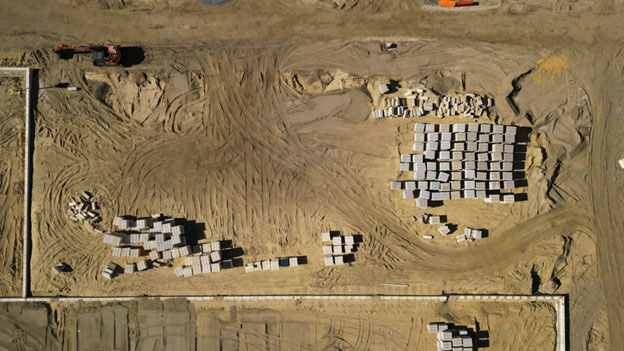
If you have ever driven past a construction site and wondered what happens before the first wall goes up, the answer is quite a lot. Civil ground work is the stage most people never see, but it is the part that holds everything else together. Get it right and the rest of the build flows smoothly. Get it wrong and the problems follow you through every single stage.
This article walks through what civil ground work actually involves in Australian development projects, from protecting the site on day one to the specialist services that wrap things up before the slab goes down.
Why Ground Preparation Comes Before Everything Else
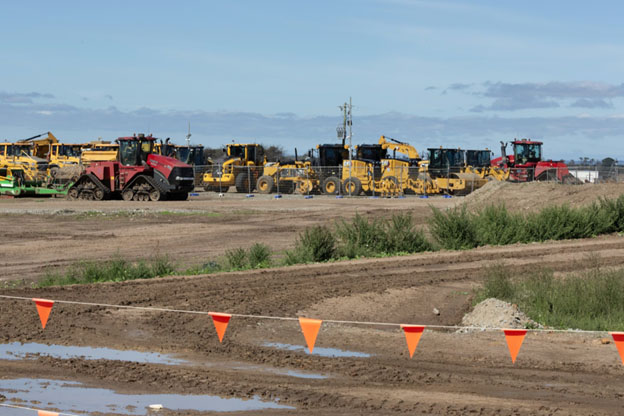
Before any excavation begins, the site needs to be assessed and prepared. That means understanding the soil type, checking drainage patterns, and figuring out how the ground will behave under load. In Australia, this step matters more than most people realise because soil conditions vary enormously from one suburb to the next.
Getting the Site Ready for Work
The first job is clearing the site, grading the land, and making sure water has somewhere to go. This sounds straightforward, but it takes real planning. If stormwater is not managed early, it creates runoff problems that affect both the site and the land around it.
Once earthworks begin, exposed soil becomes vulnerable. Rain hits bare ground hard, and on sloped or disturbed sites, that leads to erosion quickly. The practical fix is surface protection applied early in the process. Products like quality erosion control matting solutions are used across Australian development sites to hold topsoil in place, reduce sediment runoff, and keep the site compliant with environmental regulations. They are especially common on coastal builds, hillside developments, and projects near waterways where soil movement is a serious concern.
How Australian Soil Conditions Shape Every Decision
One of the most underrated parts of civil ground work is understanding what is actually under your feet. Australian soil is notoriously variable, and that variability has a direct impact on how a project is designed and delivered.
Soil Types That Builders Encounter Across the Country
In Victoria and South Australia, reactive clay is a common challenge. It shrinks in dry conditions and swells when it gets wet, putting stress on footings and slabs. In Queensland, sandy and silty soils near the coast can have poor load-bearing capacity. In parts of Western Australia and New South Wales, builders sometimes hit rock close to the surface, which creates a completely different set of conditions to work with.
Geotechnical reports are prepared during this phase to give the project team a clear picture of what they are working with. These reports guide decisions about compaction, drainage design, and which foundation system best suits the site.
Keeping Ground Stable Throughout the Build
Once you know the soil type, the next challenge is keeping conditions consistent throughout construction. That means managing water carefully, compacting fill material properly, and making sure load is distributed evenly. Poor drainage and uneven compaction are two of the most common causes of foundation movement in Australian builds, and both are avoidable with the right approach taken early on.
Foundation Systems That Match the Ground and the Project
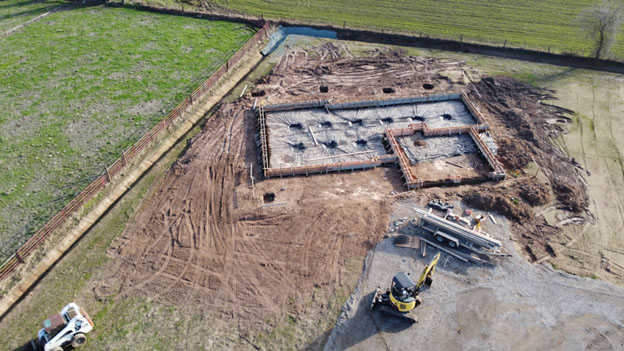
Choosing a foundation system is not a one-size-fits-all decision. It comes down to the soil, the structure being built, the available access, and how quickly the project needs to progress. If you are planning a build and still weighing your options, it helps to understand what each approach involves before you commit. Working with a knowledgeable concrete contractor early in the planning stage can save you time and money before ground is ever broken.
Traditional and Modern Approaches to Foundations
Concrete slabs and strip footings are still widely used across Australia, particularly for residential builds on stable, well-understood ground. But on sites with poor soil, restricted access, or difficult subsurface conditions, alternative systems often make more practical and economic sense.
Mechanical Pile Systems for Urban and Complex Sites
Screw pile systems have become increasingly popular for projects where speed, minimal ground disturbance, and strong load-bearing performance all matter at the same time. They are installed mechanically, which means less noise, less mess, and faster turnaround compared to poured concrete alternatives. Builders and contractors looking to find screw piles in Melbourne for residential extensions, commercial structures, or tight-access sites will find that this foundation type suits a wide range of project scales and soil profiles.
What Stays Active in the Middle of a Project
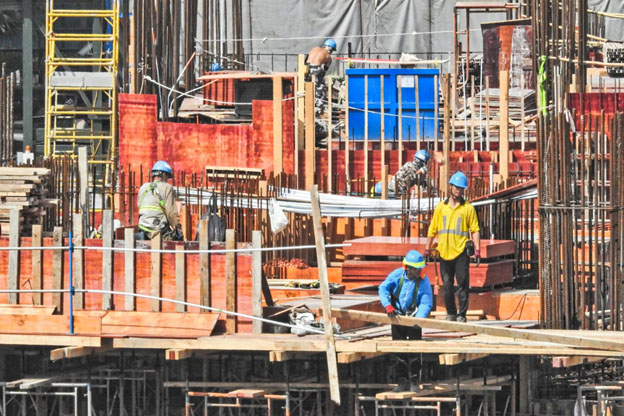
Once the foundation system is in the ground, civil work does not simply stop. There is an important middle phase where the relationship between the ground and the structure needs to be monitored, supported, and adjusted as the build progresses above it.
Staying Ahead of Ground Movement During Construction
Soil behaviour can change during a build, particularly if weather conditions shift or if loading on the ground changes as the structure rises. Site engineers watch for this and adapt plans accordingly. Strong communication between the civil contractor, structural engineer, and site manager is what keeps decisions fast and the project on schedule.
Accuracy and Compliance in the Field
Australian construction standards exist for good reason. Every measurement, level, and material choice is tied to codes that protect the integrity of the structure and the safety of everyone involved. Civil contractors who work to these standards are not adding unnecessary steps; they are protecting the entire investment for the long term.
Specialist Services That Finish the Civil Stage Properly
There is a step that often gets overlooked in conversations about groundwork, and that is what happens after the piles are installed. The pile heads need to be trimmed to a precise structural level before slab or beam work can begin above them. This is not an approximate job; it has to be exact.
Why Pile Finishing Is a Job for Specialists
If pile heads sit too high or at uneven levels, the slab will not sit correctly, and that causes structural problems that carry through the rest of the build. Contractors who provide cutting concrete piles services use the right equipment to trim piles cleanly and accurately to the required bearing level. It is a technical and precise trade that makes a genuine difference to the quality and compliance of the finished structure.
Conclusion
Civil ground work is not the most visible part of a development project, but it is one of the most important. From protecting the site against erosion on day one, to selecting the right foundation system, managing shifting soil conditions, and finishing pile heads with accuracy, every step feeds directly into the next. Australian development projects succeed when this stage is given the same attention as everything that goes up above it. Get the groundwork right, and the rest of the project has a solid base to stand on.
FAQs
What is civil ground work and why does it matter in development projects?
Civil ground work covers everything done to prepare and stabilise a site before construction begins above ground. It includes earthworks, drainage management, erosion control, and foundation installation. Without it, even well-designed structures can experience serious long-term issues.
How do builders in Australia choose between different foundation systems?
The decision depends on soil type, site access, the size of the structure, and the project timeline. Some sites suit poured concrete systems while others call for mechanical pile options that handle reactive or unstable ground more effectively.
What causes erosion on active construction sites and how is it managed?
Rainfall hitting exposed or disturbed soil is the primary cause. Slope angle, soil composition, and proximity to waterways all increase the risk. Surface protection products are applied early in the process to hold soil in place and reduce runoff.
When are specialist contractors typically brought into a construction project?
Specialist contractors are usually engaged for technical tasks that require specific equipment and expertise, such as pile installation and pile head trimming. These are not jobs that general builders typically manage directly on site.
|