Small Daily Habits That Keep Your Horse Comfortable and Ready to Ride
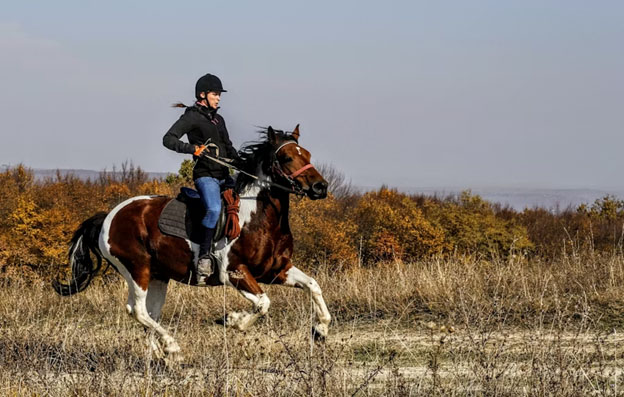
After a dusty summer ride through the NSW high country, your horse can come back covered in red dirt and dried sweat. A quick hose, a few good brushes, and a hoof pick can leave the coat clean and the legs checked in minutes.
That short routine is not fussing. It is one of the easiest ways to keep a horse comfortable, safe, and ready to ride.
Daily care works because it is simple. Clean the coat, check each leg, pick the feet, and notice small changes before they turn into missed rides.
What Smart Daily Care Really Means
Daily care works best when it doubles as a health check.
Grooming is not about making a horse look perfect. It is a quick scan for heat, swelling, cuts, ticks, saddle rubs, and cracked feet.
A curry comb is a rubber tool used in circles to loosen dirt and dead hair. A dandy brush has stiff bristles that flick the lifted dirt away. A body brush is softer and removes fine dust. A hoof pick cleans the sole and frog, and a sweat scraper pulls water off fast after hosing.
Joint care means the daily habits that reduce strain and inflammation. Think warm-ups, balanced feet, sensible surfaces, and vet treatment when it is truly needed.
Three Benefits Of A Consistent Routine
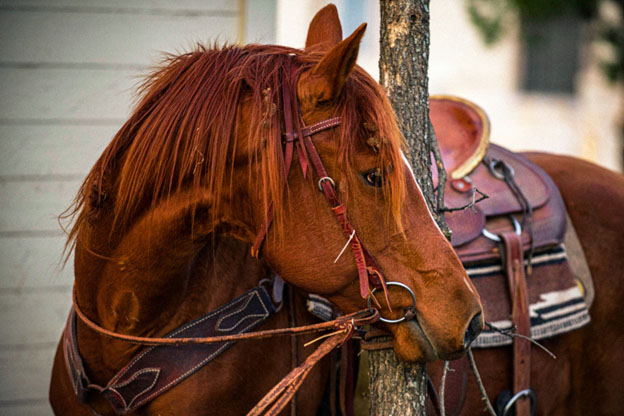
A few minutes each day protects the skin, the feet, and the ride ahead.
I never skip this step because the payoff is clear and immediate.
Support Skin And Coat
Regular brushing matters more than frequent shampooing. It spreads natural oils, lifts sweat and dust, and keeps the coat comfortable without stripping it. If you do shampoo after a muddy day, rinse until the water runs clear because residue can irritate the skin.
Catch Problems Early
Hands-on checks help you spot heat, swelling, cuts, sunburn, or a loose shoe before the problem grows. In Australian conditions, where ticks, mud fever, and hard ground can show up fast, that daily look is worth the time.
Make Rides Safer
A clean girth area lowers the chance of rubs. Clean legs reduce chafe under boots, and a horse that feels comfortable is easier to focus under saddle, whether you are out on a trail ride or working in the arena.
Build A Small Kit That Actually Works
You do not need a huge caddy to cover daily care well.
These basics handle almost every normal day, but brush feel still matters because bristle stiffness, grip, and size affect how quickly you lift dust, clear sweat, and work around sensitive spots on clipped or thick-coated horses without making them fidget during fast daily grooming. If you need replacements, carefully compare quality horse brushes for sale.
- Rubber curry comb: Use circular motions on the neck, shoulder, barrel, and rump to loosen dirt.
- Dandy brush: Use long strokes with the coat to flick away the dirt the curry lifts.
- Body brush: Use short strokes to remove fine dust and smooth the coat.
- Hoof pick with brush: Clean the frog and side grooves daily, and note any smell or black discharge.
- Sweat scraper: Pull off water quickly after hosing so the horse dries faster.
- Soft cloth or sponge: Use it on the face, around the eyes, and under the dock.
Store tools in a ventilated caddy and keep them dry. Rinse brushes in mild soapy water each week and replace them when bristles splay or handles loosen.
Use them in this order: Start with the curry on large muscles. Follow with the dandy brush in long strokes. Finish with the body brush, cleaning it on the curry every few passes. Then pick all four hooves from toe to heel and wipe down with a clean towel if needed.
| Brush Type |
Primary Job |
Avoid On |
| Rubber Curry |
Loosen dirt and dead hair |
Face, legs, bony areas |
| Dandy Brush |
Flick away lifted dirt |
Clipped or very sensitive skin |
| Body Brush |
Remove fine dust and add shine |
Directly around the eyes |
If your kit is worn out, compare bristle firmness and handle style at Scone Equine Group's store before the next riding season.
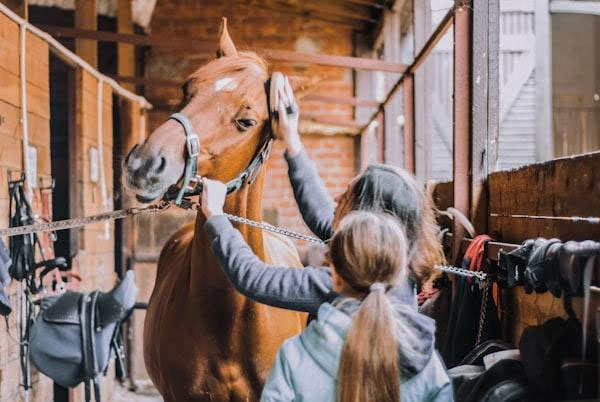
Where And How Often To Groom
Short, regular sessions work better than waiting for a deep clean.
Choose shade and non-slip footing every time. In Australian heat, full sun adds stress for both horse and rider.
On easy paddock days, a dry brush and hoof pick at the gate can take five minutes. After rain or mud, rinse the legs, scrape off extra water, and dry the heels well. Aim for a quick daily check of five to ten minutes, then do a deeper weekly session that includes the tail, mane, and tack area.
Joint Care 101
The basics protect joints better than expensive add-ons.
Walk for ten to fifteen minutes at the start and end of each ride. That warms soft tissue and helps the joints move more freely. Keep trimming or shoeing on a six to ten week cycle because balanced feet protect every joint higher up the limb.
Change your work surfaces when you can, and avoid repeated hard stops on compacted ground. Match the ride length to the horse's fitness, and do not jump from light work to a heavy week without a build-up.
Boots and wraps can prevent knocks, but they can also trap heat during work. Remove them soon after exercise, then cold-hose the legs and dry them well.
Set Expectations For Supplements
Common ingredients include glucosamine, chondroitin, MSM, hyaluronic acid, and omega-3s. The evidence for oral joint products is still mixed, so it is smart to start with a clear baseline before spending money for months.
One 2025 placebo-controlled study in aged geldings with osteoarthritis, which is wear and inflammation inside a joint, found no meaningful lameness change after six weeks of an oral product containing glucosamine, chondroitin sulfate, and MSM.
Use the AAEP scale, a 0 to 5 lameness scale used by vets, to score stride quality each week. If your vet diagnoses osteoarthritis, joint injections such as hyaluronic acid have shown reduced inflammatory markers in lame horses, and pentosan polysulfate is widely used under vet supervision in Australia. If you and your veterinarian want a trial, compare joint supplements for horses.
The 10-Minute Weekly Check
Small notes taken each week make changes easier to spot.
Stand the horse square on firm, level, non-slip ground and run through this list:
- Scan the coat for rubs, lumps, cuts, or heat.
- Run both hands down each leg and compare left to right.
- Pick out each foot and check for smell, black discharge, or a deep groove in the frog.
- Walk and trot the horse straight on a firm surface.
- Film a short clip and log the weekly AAEP score.
- If the horse wore boots, cold-hose and dry the legs after work.
Keep The Routine Simple
Consistency matters more than a long list of products.
Five focused minutes with a few reliable tools can prevent skin trouble, hoof problems, and surprise soreness. When you add a weekly leg and gait check, you give yourself a better chance of catching issues while they are still small.
For more riding ideas around the country, ATN's Australia travel guide is a useful place to start.
FAQs
These quick answers cover the questions riders ask most.
How Long Should A Quick Daily Groom Take?
Five to ten minutes is enough when you follow a clear order. Use the curry, dandy brush, body brush, and hoof pick, then do a fast leg check before you tack up or turn out.
Can I Use A Curry Comb On The Legs Or Face?
No. A rubber curry is meant for large muscle areas. On the face, legs, and other bony spots, use a soft body brush or a damp sponge instead.
How Often Should I Pick Out Hooves?
Pick them out every day, and always before and after riding. Wet, dirty footing is the main setup for thrush, so regular cleaning matters.
When Should I Call The Vet About Joint Pain?
Call your vet if you find swelling or heat in a joint, hear a shorter step, see head bobbing at the trot, or record an AAEP score of 2 or higher for two weeks in a row. Early action gives you more options.
|