Signs Your Commercial Property Needs Professional Attention Before Costs Escalate
If you own or manage a commercial property, you already know how easy it is to put maintenance on the back burner. There is always something more urgent on the to-do list. But the reality is that buildings rarely fail overnight. They give off signals well before things get serious, and catching those signals early is almost always cheaper than dealing with the fallout later.
This article walks you through the most common warning signs that your property needs a professional eye, and why acting sooner rather than later is one of the smartest financial decisions you can make as a property owner or manager.
Why Commercial Buildings Deteriorate Faster Than You Expect
Most people assume a solid commercial building will hold up for years without much intervention. That assumption is where the trouble starts.
The Gap Between How a Building Looks and How It Is Actually Performing
A building can look perfectly fine from the outside while quietly developing problems behind walls, under slabs, or inside its infrastructure. Commercial spaces face constant wear from foot traffic, HVAC systems running around the clock, and the general demands of business operations. Over time, that daily stress adds up in ways that are not always obvious during a routine walk-through.
Waiting Too Long Always Costs More
There is a simple truth in building maintenance: the longer you wait, the more you pay. A minor crack that gets addressed early might cost a few hundred dollars to fix properly. Left alone for a year or two, that same crack could mean full structural remediation. Knowing when to bring in the right contractors at the right time protects both your budget and your long-term asset value. Getting a professional to assess your property before problems compound is one of the most cost-effective decisions a property owner can make.
Internal Signals That Are Easy to Dismiss
Some of the most important warning signs are inside the building, and they are surprisingly easy to overlook during a busy working day.
Wall and Ceiling Changes That Deserve a Closer Look
Cracking at joins, separation between wall panels and ceilings, or unusual discolouration are not always cosmetic issues. In commercial buildings, these can indicate movement in the structure, moisture infiltration behind surfaces, or thermal expansion causing materials to shift. If you notice these patterns appearing or spreading, that is a sign to bring in a professional rather than reach for the filler and paint.
When Fire Safety Components Need Re-Evaluation
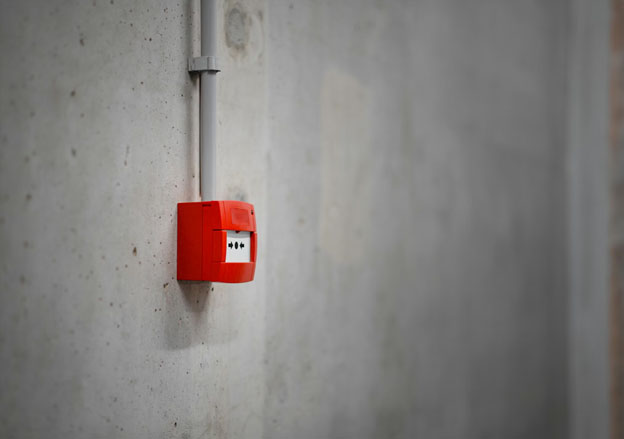
Fire safety is an area where many commercial property owners assume that once it is done, it is done. That is not the case. Fire-resistant building components can degrade over time, especially after building works, renovations, or simply years of use. Under the Building Code of Australia, commercial spaces are required to maintain compliant fire safety structures, and those structures need periodic professional review.
If your building has been modified, if walls have been added or removed, or if you are simply unsure about the current condition of your fire safety construction, it is worth getting a specialist involved. Professionally installed and regularly reviewed fire rated wall systems are a compliance requirement, not just a construction feature, and the consequences of non-compliance can be significant for commercial operators.
Ageing Infrastructure and the Problems You Cannot See
Beyond walls and ceilings, a commercial building's internal systems are often where hidden costs quietly build up.
Plumbing, Electrical and Climate Systems Worth Monitoring
Unexplained moisture patches on ceilings or walls, inconsistent climate control, or flickering electrical systems are not things to note and ignore. These are signals that something within the building's infrastructure is underperforming or failing. Left unaddressed, they tend to create secondary problems in other systems, which is when repair bills start to stack up quickly.
How Age and Occupancy Intensity Affect Your Maintenance Timeline
A fifteen-year-old building in heavy commercial use has very different maintenance needs compared to a newer structure with lighter traffic. Retail spaces, hospitality venues, and industrial facilities all subject their buildings to concentrated, repeated stress. If your property has been in consistent commercial use for a decade or more, a thorough professional review is not optional; it is overdue.
Outdoor and Surface Deterioration in Harsher Climates
External building surfaces often take the biggest hit, particularly in Australia's more demanding climate zones.
How Coastal and Subtropical Conditions Accelerate Wear
If your property is in Queensland, you are dealing with a particularly tough combination: high humidity, salt air, UV intensity, and heavy seasonal rainfall. These conditions degrade external materials faster than in most other parts of the country. What might take twenty years to deteriorate in a temperate inland city can show serious wear within ten years on the coast.
Concrete and Surface Damage That Points to Bigger Problems
Spalling, visible cracking, uneven surfaces, and erosion around slabs and walkways are not just eyesores. They are structural indicators. Surface-level patching without a proper assessment of what is happening underneath tends to fail within months, which means you end up paying twice. For commercial properties in coastal areas, engaging specialists who understand regional conditions is important. Businesses that offer concrete repair Gold Coast services work with region-specific methods and materials designed to hold up under the conditions that accelerate deterioration in those environments. Getting the right expertise for the right climate makes a genuine difference to how long a repair actually lasts.
What a Standard Visual Inspection Cannot Tell You

Most property inspections involve a walk-through, some photos, and a written report. For straightforward issues, that is fine. For anything more complex, it often is not enough.
The Limits of What the Eye Can Detect
Hidden moisture behind cladding, subsurface voids under concrete, internal wall movement, and misalignments that are invisible at ground level are all things that a standard visual inspection can easily miss. These are also the issues that tend to cause the biggest surprises during renovation or remediation work, usually in the form of scope blowouts and unexpected costs.
When a More Advanced Assessment Approach Makes Sense
For pre-purchase inspections, post-storm damage reviews, large-scale fitouts, heritage buildings, or any situation where you need an accurate picture of existing conditions, a more thorough approach is justified.
Property owners and project teams increasingly get 3d laser scanning services to produce millimetre-accurate point clouds and detailed 3D models of a building's existing condition. This gives architects, engineers, and property managers a reliable foundation for planning remediation works, without guesswork and without the costly errors that come from working with inaccurate or incomplete site data.
Conclusion
Commercial buildings are not passive assets. They require attention, and they will tell you when something is wrong if you know what to look for. Whether it is internal structural changes, fire safety compliance, surface deterioration in a tough coastal climate, or the limits of what a standard inspection can reveal, the common thread is the same: acting early costs less, protects more, and keeps your property performing as it should. If any of the signs in this article sound familiar, the right move is to bring in a qualified professional sooner rather than later.
FAQs
How often should a commercial property get a professional structural review?
Annual reviews are a sensible baseline for most commercial properties. That said, any significant weather event, renovation, change in occupancy, or noticeable change in the building's condition should prompt an assessment outside of that regular schedule.
Can a small crack in a commercial building actually be a serious issue?
It can be, yes. The size of a crack matters less than its location, pattern, and whether it is progressing. Cracks at structural joins, near load-bearing walls, or that are widening over time warrant professional assessment rather than cosmetic repair.
Why do coastal commercial properties need more frequent maintenance attention?
Coastal environments combine salt air, humidity, UV exposure, and heavy rainfall in ways that accelerate the breakdown of concrete, steel, and surface materials significantly faster than inland locations. Properties in these areas need more proactive maintenance schedules to stay ahead of that accelerated wear.
Is advanced site documentation worth the investment for smaller commercial properties?
For complex repairs, fitouts, or pre-purchase due diligence, yes. Accurate site data reduces the risk of scoping errors and unexpected costs during works. Even for smaller properties, the investment in precise documentation often pays for itself by preventing expensive mistakes further down the line.
|