What Australian Homeowners Should Know When Planning Property Improvements
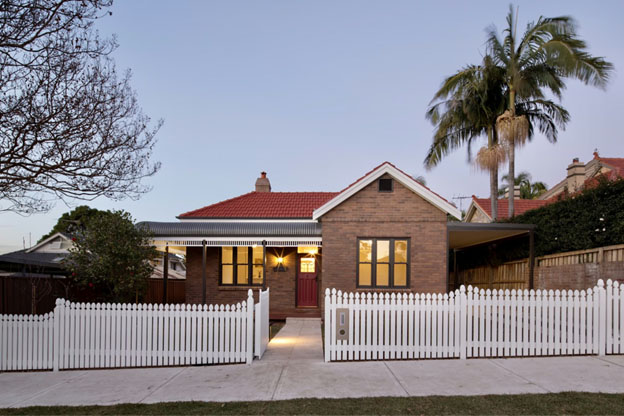
If you have owned a home in Australia for any length of time, you already know that keeping it in good shape is rarely straightforward. Every state has its own climate quirks, every suburb has its own housing history, and every block comes with its own set of challenges. What works perfectly for a homeowner in Perth might not suit someone building in Queensland at all.
The good news is that with some planning and the right information, most property improvements become far less stressful. Whether you are thinking about a new home design, sorting out your fencing, or dealing with a roof that has seen better days, this guide walks through what you actually need to know before you start.
Understanding What Property Improvement Really Means
A lot of homeowners jump into improvement projects without first getting clear on what the work actually involves. That small oversight tends to lead to budget blowouts, compliance issues, and jobs that drag on far longer than expected.
Cosmetic Work Versus Structural Changes
Not all improvements carry the same requirements. Repainting a room or updating your kitchen splashback is very different from replacing your roof, altering your fence line, or changing your home's footprint. Structural work often requires council approval, licensed contractors, and in some cases an engineering assessment. Getting this wrong can affect your insurance and your ability to sell the property later.
Before committing to anything significant, check with your local council about what requires a permit. It takes very little time and can save you a great deal of trouble down the track.
Working Out What to Tackle First
Most homeowners carry a running list of things they want to do to their property. The real skill is figuring out what actually needs doing now versus what can reasonably wait. Safety issues always come first. After that, focus on anything that is causing ongoing damage if left unaddressed. Roof problems, drainage issues, and failing exterior structures belong in this category. Cosmetic upgrades can usually wait until the essentials are covered.
Matching Your Home Design to the Block You Have
Center>
If you are planning to build or significantly renovate, the shape and slope of your land matters a great deal. Australia has enormous variety in residential block types, from flat coastal land to steep hilly terrain, and your design needs to work with the land rather than against it.
How Land Type Shapes Your Options
Flat blocks offer flexibility but are not always the most practical to build on given drainage requirements. Sloped and elevated blocks come with more constraints but also more character and design opportunity. In Queensland especially, the combination of climate and terrain has given rise to design styles that embrace elevation, natural airflow, and effective drainage.
Avoiding home design mistakes early in the planning process makes a real difference to both your budget and your finished result. Getting the design right from the beginning saves significant money in earthworks, structural workarounds, and costly modifications later on.
Choosing a Design Style That Suits the Site
If your block has a noticeable slope or a distinct change in ground levels, it is worth looking into designs built specifically for that kind of terrain. Many homeowners who take the time to explore split level home designs find they end up with more usable space, better natural ventilation, and a far more interesting finished result than a conventional single-storey layout would have delivered on the same block.
Working with a designer who understands your local area and council requirements is always a worthwhile investment at the planning stage. They can flag issues early that might otherwise not surface until construction is already underway.
Keeping Your Exterior Structures in Good Shape
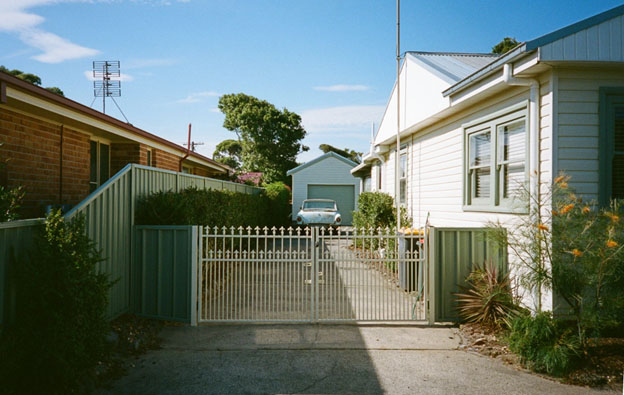
Once the bigger design decisions are made, it is very easy to focus your attention and budget entirely on what happens inside the home. But your exterior structures face wear every single day, and neglecting them tends to be an expensive habit in the long run.
Why Exterior Upkeep Gets Pushed Aside
Fencing, gates, driveways, retaining walls, and boundary structures are exposed to weather, UV, soil movement, and general wear year-round. Because the deterioration is gradual, it is easy to keep putting repairs off. The problem is that small issues in these areas tend to escalate quickly, particularly in states with extreme summer temperatures or high soil movement, which affects how posts and foundations behave over time.
Fencing, Gates and Boundary Access Points
Gate and fencing conditions vary considerably depending on your suburb and state. South Australia has specific soil conditions that affect how posts settle and shift over time. Many older properties in suburban areas have legacy fencing and gate installations that were simply never designed to last as long as they have been asked to.
Waiting until a gate fails completely before addressing the problem is never the right call. It becomes a security issue and often costs more to fix once it has fully deteriorated. Homeowners across the Adelaide Hills region have found genuine value in staying ahead of these repairs, with many seeking out professional gate repairs in Highbury to get boundary structures properly assessed and restored before minor wear turns into a real problem.
Having a licensed tradesperson inspect your exterior structures every few years is a practical habit and a genuinely worthwhile investment.
Staying on Top of Roof and Structural Maintenance

Your roof is one of the most important parts of your home and one of the most frequently neglected. Out of sight really does mean out of mind for many Australian homeowners, at least until water starts appearing somewhere it absolutely should not.
Warning Signs You Should Not Ignore
You do not need to wait for a visible leak before thinking about your roof. Water stains on ceilings, cracked or missing pointing, lifted tiles, rust around flashings, and sagging sections are all signs that something needs professional attention. Catching these early almost always costs significantly less than waiting for the damage to become obvious from the inside.
Australia's climate puts real pressure on roofing materials across every region. Heat, UV exposure, heavy rainfall, and in some areas hail, all take their toll in different ways depending on where you live.
What Established Inner Suburban Homes Deal With
Older inner-suburban properties across Australian cities often carry roofs that have been patched and repaired multiple times across decades. In Perth especially, the combination of ageing housing stock, intense summer heat, and unpredictable rainfall puts significant stress on roofing systems that may already be well past their intended service life.
For homeowners in that part of the city, working with specialists in professional roof repairs in Leederville gives access to tradespeople who are familiar with the specific materials, roof pitch styles, and weathering patterns typical in the area. Booking a professional inspection before winter or storm season is always a smart move, even if you have not noticed anything obviously wrong yet.
Working With the Right Trades for the Job
None of this works without the right people carrying out the work. Finding a good, qualified tradesperson matters just as much as deciding what to fix.
Local Knowledge and Proper Licensing
Licensing requirements differ across Australian states, so always verify that anyone you hire holds the correct credentials for the specific work being done. Local tradespeople tend to be more familiar with council regulations, common failure points in the area, and where to source the right materials at short notice.
Getting Quotes That Reflect the Full Scope
A quote that looks attractive on the surface often omits preparatory work, waste removal, or required documentation. Ask any contractor to break down scope clearly and confirm that the quote covers the complete job from start to finish. Check that they carry appropriate insurance, particularly for structural and roofing work where liability matters.
Conclusion
Property improvement in Australia is never a one-size-fits-all process. Your block type, local climate, suburb age, and state-specific regulations all shape what makes sense for your home. The homeowners who get the best outcomes are the ones who plan ahead, prioritise the right work at the right time, and engage trades who genuinely know the area they are working in. Start with an honest assessment of where your property stands today, and build your plan from there.
FAQs
Do I need council approval for fencing or roofing repairs? Minor repairs like replacing broken tiles or fixing a gate mechanism generally do not require approval. However, changes to fence height, roofing materials, or boundary structures may need a permit depending on your state and council. Always check before starting any structural work.
How often should I have my roof professionally inspected? Every two to three years is a reasonable baseline for most Australian homes. If your property is older, located in a high-rainfall area, or has had previous patchwork repairs, annual checks are a more sensible approach.
Is a split level home design only suitable for steep blocks? It works best on blocks with a natural change in levels, but it is not exclusively for steep sites. On a flat block, the additional construction cost is harder to justify. On a sloped site, the design typically delivers better usable space and airflow than forcing a conventional layout onto difficult terrain.
What should I check before hiring a contractor for property work? Confirm their licence is current and valid for your state, request a detailed written quote that itemises the full scope, check reviews or ask for references from previous clients, and verify they carry public liability insurance. Avoid paying the full amount upfront before work begins.
|