Why Dome Shelters Are a Practical Choice for Australian Sites
A crew in the Pilbara lost three full shifts to an unforecast squall because the laydown yard, the open storage area for parts and equipment, had no overhead cover. Replacement parts sat in the rain, and the schedule slipped a week.
On Australian worksites and venues, dome shelters are a fast, low-maintenance way to create covered space that can handle heat, UV, dust, and cyclonic wind. When the structure is specified well, speed does not come at the cost of engineering.
For a shortlisting starting point with cyclone-rated models and specs, see Dome Shelter Supplies' Australian dome-shelter range. It helps when you compare the footprint, height clearance, and engineering certificates for Regions A to D.
Australia's cyclone season runs from November to April. About ten tropical cyclones form each season, and three to four make landfall. Add long freight routes, extreme UV, and NCC 2022 references to AS/NZS 1170.2, and generic shelter specs stop being good enough.
Use the checklist below to judge where dome shelters fit, how to specify them for local conditions, and how to measure payback after installation. The goal is simple: buy a shelter that protects people, stock, and schedule.
Key Takeaways
The strongest case for a dome shelter is simple: you get fast cover, site-specific engineering, and repeat use across more than one job.
- Speed matters. Modular flat-pack kits can cut install time by 20 to 50 percent compared with traditional builds, which reduces schedule risk.
- Compliance comes first. Lock engineer sign-off to AS/NZS 1170.2 for your exact wind region before you buy.
- Worker safety improves fast. Good shade can cut UV exposure by up to 75 percent, and translucent membranes let in daylight for better visibility.
- Materials decide service life. Specify hot-dip galvanized frames to AS/NZS 4680 and membranes that meet the right AS 1530 fire thresholds.
- Mobility protects the budget. Container-mounted domes can move with low ground disturbance, which suits shifting yards and seasonal work.
- Return should be measured with site data. Track use, weather downtime avoided, heat incidents, maintenance, and resale value, not just purchase price.
What a Dome Shelter Is and Why It Fits Australian Sites
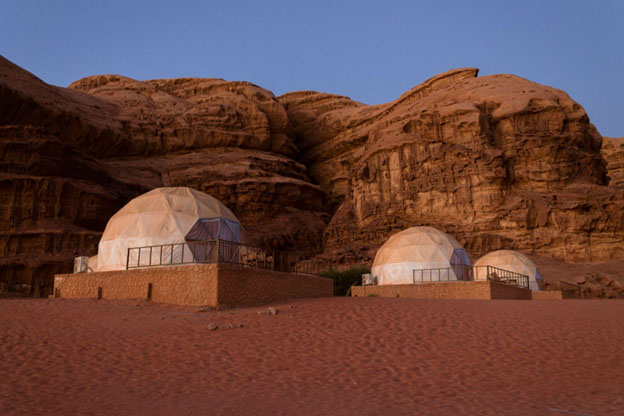
A dome shelter gives you usable cover quickly, and the curved form handles wind and water runoff well.
It is a curved, tensioned-membrane structure carried on steel arches. Many systems mount on shipping containers, ballast blocks, or posts, which means you can create covered space without permanent foundations.
A few terms make supplier quotes easier to read.
- Tensioned Membrane: Fabric, usually HDPE or PVC, stretched over steel arches to form the weather skin.
- Container-Mounted: Arches fixed to ISO shipping containers that act as walls, storage, and ballast.
- Wind Region: AS/NZS 1170.2 categories A through D, with higher categories used in cyclone-prone areas.
- NCC: The National Construction Code, which sets safety and performance rules for buildings and temporary structures.
This format suits Australia for practical reasons. Remote sites need fast deployment, northern and inland sites need fabrics that can survive harsh UV, and cyclone-prone regions need certified wind performance. If the project moves, the structure can be dismantled, checked, and reassembled with far less civil work than a permanent shed.
That flexibility matters on mine expansions, road jobs, seasonal depots, and event sites. A single dome can serve as a tyre bay this year and a covered laydown area on the next contract.
It also solves a common remote-site problem. Permanent sheds usually need more civil work, longer approvals, and larger crews. A dome can cover the same task area while the permanent plan catches up, or it can stay on site as a secondary asset after the main building is finished.
Three Benefits That Matter on Australian Sites
The main value of a dome shelter is not one feature, it is the mix of speed, safety, and flexibility.
Outdoor workers in Australia can receive up to ten times more UV exposure than indoor workers, contributing to an estimated 200 melanomas and 34,000 other skin cancers each year. The coast between Broome and Exmouth is also the nation's most cyclone-prone region. Those risks make shelter choice an operating decision, not just a buying decision.
1. Faster Time to Cover
Factory-made arches and membranes can be installed in days, which brings cover online fast.
McKinsey reports that modular construction approaches have shown 20 to 50 percent faster project delivery than traditional builds. On sites with narrow freight windows or wet-season shutdowns, that time saving can protect the critical path, the sequence that controls the finish date. That speed matters most when uncovered work cannot pause, such as parts receiving, tyre handling, or welding prep.
Some buyers hear quick install and assume light-duty engineering. That is the wrong lesson. Speed comes from prefabrication, not from skipping design checks, crane planning, or inspection hold points.
2. Safer, Cooler Work Areas
Shade and airflow lower exposure to heat and UV, and they improve comfort during outdoor tasks.
Safe Work Australia recommends shade, cool drinking water, rest breaks, and scheduling heavy tasks for cooler parts of the day. Cancer Council policy says well-designed shade can cut UV exposure by up to 75 percent. Translucent membranes also bring in daylight, which can reduce daytime lighting demand.
A dome does not replace a heat plan. Track wet-bulb globe temperature, or WBGT, and keep rest areas, water, and supervision in place. Cross-flow through ridge vents and end-wall louvres helps, but blocked airflow can still create hot spots.
3. Lower Site Disruption and Better Flexibility
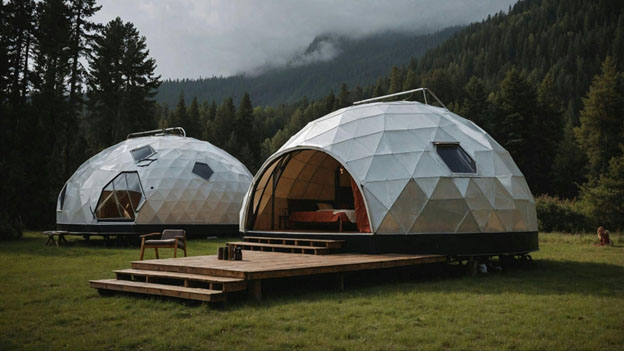
Container-mounted or block-anchored domes can reduce ground disturbance and move as the job changes.
That helps on temporary sites where you want fast setup, easier reinstatement, and less digging near buried services. Design clearances for forklifts, service trucks, and oversize loads from day one, or the shelter quickly becomes a bottleneck.
Relocatable does not mean exempt from rules. You still need engineering, the right base design, and a fresh wind check if the structure moves to a new region or terrain type. When handled well, that mobility turns a shelter from a one-job expense into a reusable asset.
What to Specify for Australian Conditions
Good performance starts with site-specific engineering, not with the cheapest quote.
When procurement teams compare span, clearance, membrane type, and region-specific certificates, it helps to start from a supplier page that lists cyclone-rated options in one place rather than mixing apples and oranges across quotes from providers using different assumptions. For a quick shortlist built for Australian conditions, many buyers begin with a dome shelter Australia when checking footprint, wall height, and engineering details.
Ask every supplier to price the same inputs. If one quote assumes Region A and another assumes Region C, you are not comparing like with like.
Wind Region and Cyclone Rating: Confirm the site's wind region under AS/NZS 1170.2, using official wind-region mapping on data.gov.au or a site check by the project engineer. Capture terrain category, topography, importance level, and shielding in the brief, because these inputs describe exposure and consequence of failure. Require a signed engineer's certificate that matches the site coordinates.
Anchoring and Footings: Match the base system, containers, post-and-plate, or ballast blocks, to ground conditions, permits, and relocation plans. Size hold-downs for the forces that try to lift or slide the structure. Put torque values, inspection intervals, and re-tension checks in the operations manual.
Frame Material and Corrosion Control: Specify hot-dip galvanised steel to AS/NZS 4680. In marine or coastal zones, ask how the coating choice, drain holes, and venting details protect the steel during galvanising and during service. Use corrosion-compatible fasteners and isolation washers where different metals touch.
Membrane Selection: Choose a fabric with a UV warranty suited to northern and inland exposure. Balance light transmission against heat gain, because the brightest membrane is not always the coolest option. For event or assembly use, check state temporary-structure rules and the ABCB Standard for Temporary Structures, and confirm the fabric meets the required AS 1530 flammability thresholds.
Ventilation and Services: Add ridge vents and end-wall louvres to support cross-flow. Size gutters for local rainfall intensity, and use dust skirts where fine dust is a daily problem. For lighting, rely on daylight first, then add LED task lights with IP ratings, the dust and water protection class, that suit the site.
Documentation and Handover: Ask for drawings, certificates, parts lists, membrane tension instructions, and maintenance intervals before handover. Ask which parts are field-replaceable and what can be sourced locally. A dome is easier to own when the next supervisor can see exactly how it was certified, assembled, and inspected.
Where Dome Shelters Pay Off
The best use cases are jobs that need fast cover now and may need that same asset somewhere else later.
The same kit can serve different industries with small changes to span, clearance, base type, and enclosure.
- Mining and Resources: Equipment bays, tyre change areas, refuelling shade, and protected maintenance zones in remote operations.
- Civil and Construction: Laydown yards, rebar storage, concrete curing shade, and mobile workshops near the workfront.
- Agriculture and Aquaculture: Machinery sheds, hay cover, wash-down bays, and boat shelters at coastal facilities.
- Tourism and Events: Check-in shade, coach set-down, festival staging, and common areas where temporary-structure rules apply.
- Local Government and Emergency: SES staging areas, temporary depots, disaster relief distribution points, and community event cover.
What changes between those uses is not the basic concept. It is width, height, edge protection, doors, drainage, and the level of enclosure you need. That is why one standard shelter kit can serve both project delivery and emergency response fleets.
How Dome Shelters Compare With Other Shelter Options
A scored comparison makes it easier to choose the right shelter type for the job, not just the lowest purchase price.
Compare domes with shade sails, steel sheds, and marquees against the criteria that affect operations, approval, and reuse.
| Criterion |
Dome Shelter |
Steel Shed |
Shade Sail |
Marquee |
| Time to Cover |
Days |
Weeks to Months |
Days |
Hours to Days |
| Cyclone Rating Potential |
High, Regions A to D |
High |
Low to Moderate |
Low |
| Relocatability |
High |
Low |
Moderate |
High |
| Daylighting |
Good With Translucent Membrane |
Poor Without Skylights |
Good |
Good |
| Lifecycle Cost |
Moderate, Reuse Offsets Purchase Price |
Higher Upfront Cost, Longer Life |
Low Upfront Cost, Shorter Life |
Low Upfront Cost, Limited Durability |
Dome shelters tend to be the strongest all-round choice when you need quick cover, good relocatability, and credible wind engineering. Steel sheds still win for permanent, enclosed storage, but they usually need slower approvals and higher upfront spend.
Shade sails are useful where you need basic shade and low cost, but they are not the answer for heavy weather or equipment protection. Marquees suit short events, not sustained industrial loads. Use the matrix to weight the factors that matter most on your site before you compare quotes.
Security is another difference. If you need lockable walls and full enclosure for stock, a dome may need added end walls or containers, while a shed may suit better from the start.
How to Track Performance and ROI
Return on investment comes from fewer delays and safer operations, not from the shelter's sticker price alone.
Build a simple before-and-after log for return on investment, or ROI. If the shelter protects one critical activity, count the hours of work that continue when rain, UV, or heat would have stopped that task in the open.
Uptime and Weather Avoidance: Log task-hours saved from rain or sun stoppages. Compare schedule slippage, crew idle time, and damaged-stock incidents before and after the shelter was commissioned.
Heat and UV Safety Metrics: Track WBGT readings, hydration compliance, and heat-related incidents in shaded and unshaded zones. Add simple observations on fatigue, glare, and visibility during high-heat periods.
Maintenance and Integrity: Schedule torque checks, fabric inspections, and re-tension checks. Keep a defect log for tears, corrosion, ponding water, failed zips, and door issues so small faults do not become downtime.
Mobility Value: Record each redeployment and the time needed to dismantle, move, and reassemble the shelter. Compare that cost with the cost of buying a new structure or leaving crews exposed on the next job.
Report these measures in one page each month. Clear data helps operations managers defend the spend, and it gives procurement teams better inputs for the next buy. Photos from the same location each month can also show whether the shelter is being used as intended.
How to Make Dome Shelters Work on Site
A dome shelter works best when it is treated as an engineered asset with a clear operating plan.
Lock site inputs early, choose materials for the real exposure environment, and verify compliance at each inspection step. That approach prevents the false economy of buying a fast shelter that is not truly fit for the site.
Done right, a dome can protect schedule, reduce heat and UV exposure, and move with the project when the workfront shifts. That is what turns a temporary cover into a lasting advantage.
FAQ
Most final buying questions come down to approval, certification, heat management, and base choice.
Do Dome Shelters Need Building Approval?
It depends on the use, size, and local rules. Relocatable does not always mean exempt. Even when a structure is treated as temporary, you still need engineering to AS/NZS 1170.2 and may need to meet NCC-adopted rules for fire, egress, and electrical safety.
Can a Dome Shelter Be Certified for Cyclonic Regions?
Yes, if the design is engineered for that site. Ask for site-specific calculations for Region B, C, or D, along with hold-down and connection details sized for local wind pressures, shielding, and topography. The certificate should match the site coordinates.
How Hot Do They Get Inside?
With the right membrane, ridge vents, and end-wall louvres, internal conditions usually stay closer to ambient than in a fully enclosed metal shed. The shelter still needs a heat plan with water, rest areas, and task scheduling. Dark surfaces, blocked airflow, and stacked goods near end walls can still make hot spots.
How Long Do Membranes Last?
Life depends on fabric type, UV exposure, tension, dust, and maintenance. Ask about UV warranty, cleaning intervals, and re-tension requirements, especially for northern Australia or inland sites with intense sun. A neglected membrane usually fails at fittings and stress points before the fabric itself reaches the end of life.
Which Base Works Best: Containers, Posts, or Blocks?
Containers are best when speed, ballast, and relocation matter. Posts or plates suit open-sided layouts where containers would block access. Ballast blocks help when you must avoid ground penetration, but they still need engineering for sliding and uplift forces.
What About Lighting and Power?
Use the translucent membrane for daytime light first. Add LED task lighting with IP ratings suited to dust and moisture when work needs more illumination. Any temporary electrical installation should match the rules and standards that apply in your state or territory.
|