Say Goodbye to Painful, Bulging Veins: The Best Varicose Vein Treatments in 2026
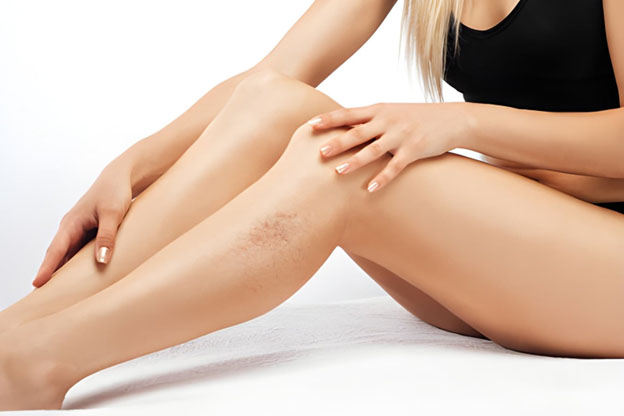
Varicose veins can start as a small cosmetic concern. A faint blue line on the calf. A little swelling after a long day. Then, over time, they become heavy, aching, and hard to ignore. Many people in their 30s, 40s, and beyond find themselves searching late at night for the most effective treatment for varicose veins because the discomfort begins to affect daily life.
The good news is that 2026 offers more options than ever before. From advanced minimally invasive procedures to plant-based solutions like Amoils Natural Oils, people now have safer, faster, and more personalized ways to manage varicose veins. Let’s walk through what actually works today, what’s new, and how to choose the right path for you.
Why Varicose Veins Happen and When to Take Them Seriously
Varicose veins develop when the tiny valves inside your veins weaken or stop working properly. Instead of flowing upward toward the heart, blood pools in the legs. Over time, veins stretch, twist, and bulge. Genetics plays a big role, but standing for long hours, pregnancy, obesity, and aging increase the risk.
In the early stages, symptoms may include mild swelling, itching, or a dull ache. Many people ignore these signs, assuming it’s just fatigue. But untreated varicose veins can worsen, leading to skin discoloration, inflammation, or in rare cases, ulcers and blood clots. That’s when medical evaluation becomes essential.
Doctors in 2026 recommend early intervention rather than waiting for complications. With improved diagnostic ultrasound tools and better understanding of vein health, the plan of treatment for varicose veins is now tailored more precisely to each individual’s vein structure and lifestyle. Acting early often means simpler, less invasive solutions.
Minimally Invasive Medical Treatments in 2026
Modern vein treatment has changed dramatically over the past decade. Surgical vein stripping, once common, is now rarely needed. Today, minimally invasive procedures are the gold standard. These treatments are performed in outpatient clinics and usually take less than an hour.
One of the most widely used options remains Endovenous Laser Therapy (EVLT). A thin fiber is inserted into the vein, and controlled heat seals it shut. Similarly, Radiofrequency Ablation (RFA) uses radio waves to close damaged veins. Both treatments offer high success rates, minimal downtime, and small incisions. Most patients return to normal activities within a day or two.
Foam sclerotherapy is another trusted method. A special solution is injected into smaller varicose or spider veins, causing them to collapse and fade over time. In 2026, improved ultrasound-guided techniques make this process more accurate and comfortable. These procedures are backed by vascular specialists and supported by strong clinical evidence, making them safe for most suitable candidates.
Natural and At-Home Approaches That Still Matter
Not everyone needs a procedure right away. Many people prefer to start with lifestyle changes and supportive therapies, especially in the early stages. While these methods may not remove large veins completely, they can reduce discomfort and slow progression.
Regular movement is key. Walking strengthens calf muscles, which help push blood upward. Elevating your legs after work, maintaining a healthy weight, and wearing compression stockings can make a noticeable difference. In 2026, newer compression fabrics are more breathable and stylish, increasing comfort and compliance.
Plant-based oils and topical blends have also gained attention. Some individuals report relief from heaviness and swelling when using natural formulations designed to support circulation. While these options should not replace medical care in advanced cases, they can be part of a broader wellness strategy. Always consult a healthcare professional before relying solely on natural remedies for significant vein disease.
Emerging Innovations and Trends in Vein Care
Medical technology continues to move forward. In 2026, one of the biggest advancements is the use of non-thermal vein closure systems. These methods seal veins without heat, reducing the need for anesthesia and lowering the risk of nerve irritation. Procedures like medical adhesive closure are becoming more common in specialized clinics.
Another trend is personalized vein mapping. Advanced imaging now allows specialists to create detailed 3D models of vein networks before treatment. This helps doctors identify hidden reflux patterns and choose the most effective method. It also reduces the chance of recurrence.
Telemedicine follow-ups have improved patient care as well. Instead of multiple in-clinic visits, many patients now have virtual check-ins after procedures. This saves time while ensuring proper recovery monitoring. These innovations reflect a broader shift toward patient-centered, convenience-focused care.
Choosing the Right Treatment for You
With so many options available, it can feel overwhelming. The best approach starts with a proper medical evaluation by a qualified vein specialist. A duplex ultrasound exam determines the severity of valve damage and guides decision-making.
If your veins are mild and mostly cosmetic, lifestyle changes and conservative management may be enough. Moderate to severe cases often respond best to minimally invasive procedures like EVLT or RFA. Your age, medical history, pain level, and daily activity all influence the decision.
Cost and insurance coverage also matter. In many countries, treatments are covered when veins cause pain or medical complications, not just cosmetic concerns. Open communication with your provider helps clarify expectations, recovery time, and long-term outcomes. When you understand your options clearly, you can make a confident, informed choice.
Long-Term Prevention and Maintenance
Treating existing veins is only part of the journey. Preventing new ones from forming requires consistent habits. Staying active remains one of the most powerful tools. Even short walks throughout the day improve circulation significantly.
Compression wear may still be recommended after procedures, especially during travel or long standing periods. Paying attention to weight management and avoiding prolonged sitting without movement can reduce future risk.
Regular follow-ups every year or two help detect early changes. Vein health is ongoing, not a one-time fix. With the expanded treatment landscape in 2026 and better awareness about early symptoms, managing varicose veins has become more practical and less intimidating than ever before.
|