How to Choose an Electric Bike for Long-Distance Touring
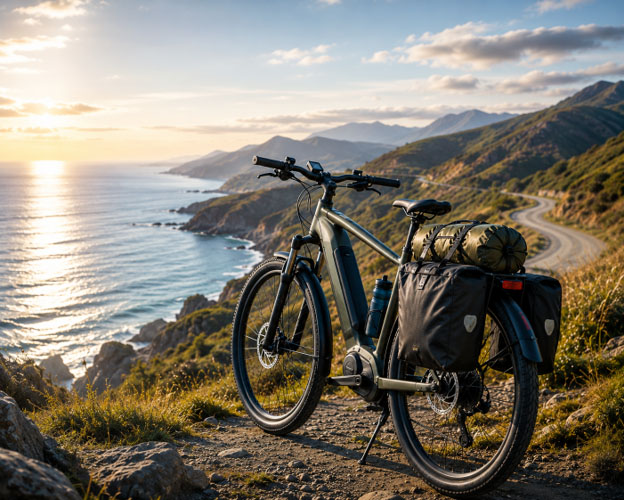
Planning a multi-day cycling adventure across Australia or exploring scenic rail trails? Choosing the right electric bike can make the difference between an enjoyable journey and an exhausting one. Whether you’re preparing for your first tour or upgrading your current setup, visiting a reputable electric bike store is one of the best ways to compare models, understand specifications, and find the right fit for your riding style.
Long-distance touring places unique demands on an e-bike. Battery range, motor efficiency, comfort, load capacity, and serviceability all play a role in ensuring a reliable ride over hundreds of kilometres.
Start with the Right Type of Touring E-Bike
Not every electric bike is designed for extended travel. For touring, prioritise models built for stability, comfort, and carrying gear.
The most suitable options include:
- Touring electric bikes
- Electric trekking bikes
- Adventure e-bikes
- Hardtail electric mountain bikes for mixed terrain
- Gravel electric bikes for sealed and unsealed roads
A proper touring frame typically features mounting points for racks, mudguards, and multiple water bottle cages while maintaining predictable handling under load.
Compare the Motor System
The motor largely determines how your bike performs on climbs, headwinds, and rough terrain.
| Feature |
Recommended for Touring |
| Motor type |
Mid-drive motor |
| Continuous power |
250W (Australian road legal) |
| Torque |
70–90 Nm |
| Assistance modes |
Eco, Tour, Sport, Turbo |
| Pedal sensor |
Torque sensor preferred |
Mid-drive motors distribute weight centrally and deliver power through the drivetrain, resulting in better climbing efficiency and more natural handling than many hub-drive systems.
Well-established systems from Bosch, Shimano and Yamaha also offer extensive dealer support across Australia.
Battery Capacity Matters More Than Maximum Range
Manufacturers often advertise optimistic maximum range figures. Real-world performance depends on factors including:
- Rider weight
- Total luggage
- Elevation gain
- Wind conditions
- Tyre pressure
- Assistance level
- Surface quality
A battery between 625Wh and 750Wh is generally ideal for long-distance touring. Riders covering remote areas may also consider carrying a second battery where practical.
Charging infrastructure is improving throughout Australia, but remote regions still require careful route planning.
Don’t Overlook Bike Geometry and Comfort
You’ll likely spend several hours in the saddle each day, making comfort one of the most important buying considerations.
Look for:
- Relaxed endurance geometry
- Adjustable stem
- Ergonomic grips
- Suspension seatpost
- Wide touring saddle
- Front suspension (80–100 mm travel)
- Multiple hand positions
A professional bike fitting can significantly reduce fatigue and improve pedalling efficiency over consecutive riding days.
Essential Components for Multi-Day Touring
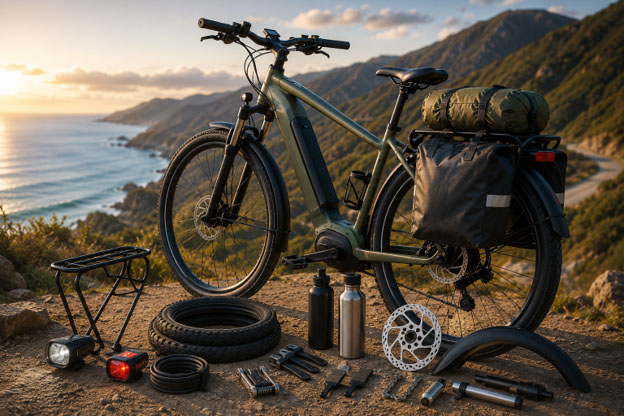
Reliable components reduce maintenance and improve safety on long rides.
Prioritise:
- Hydraulic disc brakes for consistent stopping power
- Tubeless-compatible wheels
- Puncture-resistant touring tyres
- 10–12 speed drivetrain
- Rear rack rated for touring loads
- Integrated lighting powered by the main battery
- Full-length mudguards
High-quality components generally offer better durability and easier servicing during extended trips.
Weight and Payload Capacity
Electric bikes are naturally heavier than conventional bicycles.
Instead of focusing solely on bike weight, consider the Maximum Gross Vehicle Weight (MGVW) or total payload capacity.
A typical touring setup may include:
- Rider
- Panniers
- Camping equipment
- Water
- Food
- Spare parts
Many premium touring e-bikes support payloads between 140–170 kg, providing a greater safety margin for fully loaded adventures.
Maintenance and Parts Availability
Long-distance riders should also think beyond the initial purchase.
Choose brands with:
- Australia-wide dealer networks
- Readily available spare batteries
- Standard replacement components
- Software support
- Comprehensive warranty coverage
Before departing, carry basic repair equipment including:
- Multi-tool
- Spare tube
- Tyre plugs
- Mini pump
- Chain quick link
- Brake pads
- Charging cable
Frequently Asked Questions
Is a mid-drive motor better than a hub motor for touring?
In most cases, yes. Mid-drive systems provide better climbing performance, improved weight distribution, and greater efficiency when riding with luggage.
How much battery capacity is enough?
For most riders, 625Wh or larger provides an excellent balance between range and weight. Longer or more remote routes may justify carrying an additional battery.
Can I ride an electric bike in Australian national parks?
Regulations vary depending on the park and trail classification. Always check local land management authorities before travelling.
How long does an e-bike battery last?
Most modern lithium-ion batteries maintain good performance for approximately 500–1,000 full charge cycles, depending on usage and maintenance.
Expert Buying Checklist
Before purchasing your touring e-bike, confirm the following:
- Mid-drive motor with at least 70 Nm torque
- 625Wh–750Wh battery
- Comfortable endurance geometry
- Hydraulic disc brakes
- Rack and mudguard compatibility
- High payload capacity
- Dealer support across Australia
- Quality warranty and spare parts availability
Selecting the right electric bike isn’t simply about buying the most powerful model. A well-balanced touring e-bike combines efficiency, comfort, reliability, and serviceability, allowing you to focus on enjoying Australia’s incredible landscapes rather than worrying about your equipment.
References
|