Deep Cleaning Kitchens and Bathrooms Made Easy With One Tool
Keeping kitchens and bathrooms truly clean can feel like a never-ending task. These spaces deal with grease, spills, moisture, soap residue, and bacteria every day. You may wipe surfaces often, yet grime still builds up in corners, grout lines, and along floors where traditional tools fall short. Switching between a mop, vacuum, clothes, and brushes also adds time and effort to an already demanding routine.
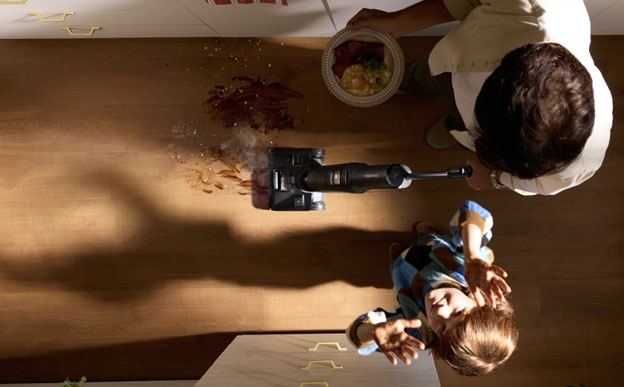
That is why many households are now turning to a wet dry vacuum stick as a smarter way to deep clean multiple surfaces with one tool. Instead of juggling equipment, you can vacuum debris, wash floors, and handle wet messes in a single pass. When used correctly, this approach saves time, improves hygiene, and makes deep cleaning kitchens and bathrooms far more manageable.
 \
\
Common Pain Points When Cleaning Kitchens and Bathrooms
Before improving your routine, it helps to identify the most common challenges you face:
- Stubborn dirt and residue that sticks to tiles, grout, and textured flooring
- Wet and dry messes that require switching tools mid-clean
- Time-consuming routines that feel inefficient and repetitive
A better cleaning method addresses all three without adding complexity.
Why Kitchens and Bathrooms Need a Different Cleaning Approach
High Moisture and Heavy Use Areas
Kitchens and bathrooms experience more moisture and traffic than other rooms. Water splashes, steam, food spills, and soap residue combine to create surfaces where dirt clings easily. Traditional dry vacuuming removes debris, but it cannot fully clean sticky or wet grime.
Hidden Hygiene Risks
These spaces also collect bacteria faster than living rooms or bedrooms. Moisture creates an environment where germs thrive, especially on floors, around sinks, and near toilets. Deep cleaning is not just about appearance but about maintaining a healthier home.
What Makes One Tool Enough for Deep Cleaning
Combining Vacuuming and Washing
The main advantage of using one tool is efficiency. A modern wet dry vacuum stick allows you to vacuum dust, crumbs, and hair while simultaneously washing the floor. You no longer need to vacuum first and mop later.
This combined approach helps you:
- Remove solid debris instantly
- Clean sticky residues in one step
- Reduce water spreading across floors
- Cut total cleaning time significantly
Better Results With Less Effort
Instead of pushing dirty water around with a mop, wet dry vacuums actively lift moisture and dirt off the floor. This leads to faster drying and cleaner surfaces.
How to Deep Clean Kitchens With One Tool
Step 1: Prepare the Space
Before you start, clear small items from the floor, such as mats, bins, or pet bowls. This gives you uninterrupted cleaning paths and improves efficiency.
Step 2: Tackle Dry Debris First
Kitchen floors collect crumbs, food particles, and dust daily. Using a wet dry vacuum stick allows you to pick up dry debris immediately without sweeping.
Focus on:
- Under cabinets and appliances
- High-traffic cooking zones
- Dining areas and chair legs
Step 3: Remove Sticky and Greasy Residue
Grease splatter and food spills often leave a thin film that normal vacuuming misses. The washing function of a wet dry vacuum helps dissolve and remove these residues.
Move slowly over areas near:
- Stoves and ovens
- Sinks and dishwashers
- Trash and recycling zones
Step 4: Edge and Corner Cleaning
Kitchen grime often builds up along baseboards. Use controlled passes to clean edges where crumbs and grease settle over time.
Deep Cleaning Bathrooms With One Tool
Managing Wet Messes Efficiently
Bathrooms create a mix of hair, dust, water, and soap residue. Traditional vacuums struggle with moisture, while mops often spread dirt.
A wet dry vacuum stick handles both with ease.
Step 1: Start With Floors
Bathroom floors often hold hair and dust, especially near sinks and toilets. Vacuuming and washing at the same time prevents hair from clumping and sticking to damp surfaces.
Step 2: Clean Around Fixtures
Pay close attention to:
- Toilet bases
- Sink pedestals
- Shower and tub edges
These areas collect moisture and grime that standard mops often miss.
Step 3: Reduce Water Residue
By actively suctioning moisture, wet dry vacuums leave floors cleaner and drier, reducing the chance of mold or mildew.
One Tool Versus Traditional Cleaning Methods
| Cleaning Method |
Tools Needed |
Time Required |
Cleaning Effectiveness |
| Vacuum + Mop |
Two separate tools |
High |
Moderate |
| Mop Only |
One tool |
Moderate |
Low for debris |
| Wet Dry Vacuum Stick |
One tool |
Low |
High |
This comparison shows why many households prefer a single, versatile solution.
Why a Wet Dry Vacuum Stick Works So Well
Time Efficiency
Using one device instead of switching tools saves setup and cleanup time. You finish faster without sacrificing results.
Better Hygiene
Vacuuming and washing together removes dirt instead of spreading it. This is especially important in kitchens and bathrooms.
Easier Daily Maintenance
Managing Your Money
When cleaning feels simple, you are more likely to do it regularly. Daily or frequent light cleaning prevents heavy buildup.
A Practical Example of a Modern Cleaning Solution
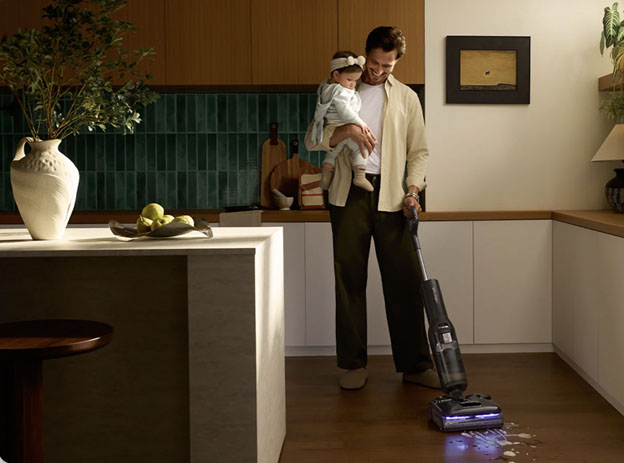
A good example of how this approach works in real homes is the Roborock F25 Ultra. It is designed to handle both dry debris and wet messes in one pass, making it suitable for kitchen spills and bathroom moisture. Its design supports quick transitions between rooms without changing tools, which helps maintain consistent cleanliness in high-use areas.
Tips to Get the Most Out of One Cleaning Tool
Clean Regularly, Not Perfectly
You do not need to deep clean every day. Short, regular cleaning sessions prevent heavy grime buildup and reduce effort later.
Focus on High-Impact Areas
Prioritize areas that get dirtiest fastest. In kitchens and bathrooms, this means floors near sinks, appliances, and entry points.
Maintain the Tool
To keep performance high:
- Empty dirty water tanks after use
- Rinse brushes and filters regularly
- Store the vacuum in a dry, accessible place
Proper maintenance ensures consistent cleaning power.
Mistakes to Avoid When Deep Cleaning With One Tool
- Moving too fast over sticky messes
- Ignoring corners and edges
- Letting dirty water sit in the tank
- Skipping regular maintenance
Avoiding these mistakes improves both cleanliness and tool longevity.
Who Benefits Most From This Cleaning Approach
A single-tool deep cleaning method works especially well if you:
- Have limited storage space
- Clean frequently but briefly
- Manage busy schedules
- Want faster-drying floors
- Prefer simple routines
It is an efficient solution for modern households.
Conclusion
Deep cleaning kitchens and bathrooms does not have to involve multiple tools, long routines, or constant frustration. By using one versatile solution like a wet dry vacuum stick, you can handle dry debris, sticky spills, and moisture in a single, efficient process. This approach reduces cleaning time while improving hygiene in the areas of your home that need it most.
When you focus on consistency, high-impact zones, and the right cleaning method, maintaining clean kitchens and bathrooms becomes far more manageable. With a smarter routine and one effective tool, you spend less time cleaning and more time enjoying a healthier, fresher home.
|