Small-Spend Entertainment Ideas for Travellers in Australia
Australia can be an expensive destination once accommodation, domestic transport, restaurant meals and organised tours are added together. However, enjoying the country does not require booking a premium attraction every day.
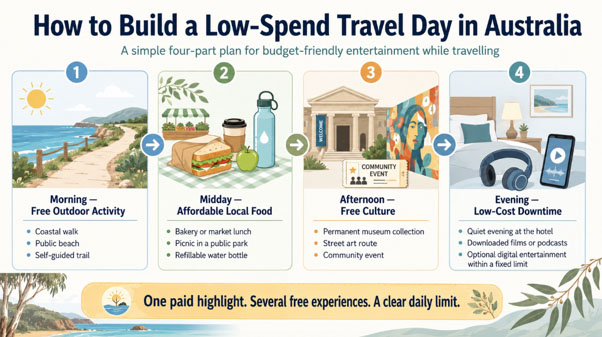
Some of Australia’s most memorable experiences cost little or nothing. Coastal walks, public beaches, self-guided city routes, local markets, galleries and community events can provide hours of entertainment without exhausting the travel budget.
A practical low-cost itinerary usually combines three types of activities:
- Free experiences that require only time and basic preparation.
- Inexpensive activities with predictable costs.
- A limited number of paid highlights selected before the trip.
This approach works for solo travellers, couples, families and groups. It also leaves more flexibility for changing weather, travel delays and unexpected discoveries.
The goal is not to avoid spending entirely. It is to spend deliberately and avoid paying for activities that add little to the overall experience.
A Quick Guide to Low-Cost Entertainment Options
Travellers can use the following comparison when planning affordable activities across Australia.
| Activity |
Best suited to |
Likely extra costs |
What to check |
| Coastal or city walk |
Solo travellers, couples and groups |
Transport, parking or refreshments |
Weather, route length and accessibility |
| Public beach visit |
Families, couples and groups |
Food, equipment or parking |
Swimming conditions and local warnings |
| National park trail |
Nature lovers and active travellers |
Entry, vehicle access or transport |
Closures, fees and trail difficulty |
| Museum or gallery |
Cultural travellers and rainy days |
Special exhibitions or transport |
Opening hours and booking rules |
| Local market |
Food lovers and casual sightseeing |
Optional food and shopping |
Market days and payment options |
| Community event |
Families, groups and solo travellers |
Food, transport or optional purchases |
Dates, capacity and cancellation notices |
| Hotel-based entertainment |
Tired travellers and quiet evenings |
Takeaway food or optional digital services |
Wi-Fi availability and spending limits |
The real cost of an activity should always include transport, food, equipment and booking fees rather than only the advertised entry price.
Affordable Outdoor Adventures Across Australia
Australia’s beaches, parks, walking tracks and public gardens provide some of the strongest budget-friendly entertainment available to travellers.
Outdoor activities are flexible because they can usually be shortened, extended or moved to another day. They also work well alongside more expensive attractions.
Exploring National Parks on a Budget
National parks allow travellers to experience forests, beaches, mountains, waterfalls and native wildlife without automatically paying for a commercial tour.
Self-guided routes are often the most economical option. Before leaving, travellers should:
- Select a trail suited to their fitness and available time.
- Download a map in case mobile reception is limited.
- Check official alerts, closures and weather warnings.
- Confirm whether park entry or vehicle access fees apply.
- Bring water, food, suitable footwear and sun protection.
- Tell someone about the planned route when visiting an isolated area.
ATN’s guide to Australian national parks provides a useful overview for travellers comparing natural areas across different states.
Not every park has the same access rules. Some locations may be free to enter, while others charge for vehicles, camping, guided experiences or access to particular areas. Checking conditions in advance prevents an apparently free day trip from becoming unexpectedly expensive.
Travellers do not need to cover an entire park in one visit. A manageable walking route, scenic lookout and packed lunch can provide most of a day’s entertainment.
Beach Activities That Will Not Break the Bank
A beach visit can involve much more than swimming. Depending on the location and conditions, travellers can enjoy:
- Walking along the foreshore.
- Reading or relaxing in the shade.
- Playing beach cricket or simple group games.
- Taking photographs at sunrise or sunset.
- Having a picnic near the water.
- Snorkelling with equipment brought from home.
- Exploring nearby coastal paths.
Preparation makes the largest difference to the final cost. Buying sunscreen, towels, drinks and food near a busy tourist beach is usually more expensive than bringing them in advance.
Safety should remain the priority. Travellers should check current conditions, follow local signs and swim between the flags where lifesaving services are available.
A beach day does not need hired equipment, paid lessons or waterfront dining to be enjoyable. For many visitors, the scenery and atmosphere are the main attraction
Wildlife Watching Without an Expensive Tour
Seeing Australian wildlife does not always require a commercial excursion. Birds, wallabies, possums and other native animals may be observed in public reserves, regional walking areas and suitable coastal environments.
Responsible wildlife watching means:
- Keeping a safe distance.
- Avoiding sudden movements and loud noise.
- Never feeding wild animals.
- Remaining on marked paths.
- Following park and council instructions.
- Using binoculars or camera zoom rather than approaching closely.
- Taking all food and rubbish away.
Local visitor centres and official park notices can help identify suitable observation areas. Early mornings and quieter periods may provide better viewing opportunities, although sightings should never be expected or guaranteed.
location can produce a more authentic experience than moving quickly through several paid attractions.
Budget-Friendly Cultural and Urban Experiences
Australian cities offer many low-cost cultural activities. Museums, public architecture, galleries, libraries, markets and street art can help visitors understand a destination without buying tickets throughout the day.
A good city itinerary can combine several nearby activities and reduce both transport costs and wasted travel time.
Visiting Free Museums and Galleries
Many cultural venues provide free access to permanent collections while charging separately for temporary exhibitions, events or special displays.
Museums and galleries are especially useful during:
- Rainy weather
- Very hot afternoons
- Long gaps between bookings.
- Slower recovery days
- Short visits to city centres
Travellers should check current admission conditions before arriving. A free exhibition may still require advance registration, and individual galleries can close temporarily.
It is rarely necessary to see every collection. Selecting one or two areas of interest creates a more enjoyable visit and leaves time for another activity nearby.
Public libraries, university galleries and smaller cultural centres may also host exhibitions, talks and local history displays. These venues often receive less tourist attention than major institutions but can provide valuable insight into the destination.
Exploring Street Art and Local Markets
Street art areas can be explored independently with little more than a saved route and comfortable shoes.
A simple self-guided street art plan might include:
- Choosing one recognised neighbourhood or precinct.
- Saving several locations on a map.
- Checking whether the route is suitable during daylight hours.
- Combining the walk with a park, market or affordable meal.
- Leaving time for unplanned discoveries.
Local markets offer another flexible activity. Visitors can browse regional produce, handmade items, vintage goods and food stalls without necessarily buying anything.
However, markets can become expensive when many small purchases are made. A spending limit should be decided before arrival, particularly when visiting with children or travelling in a group.
Always confirm the operating day. Some markets run weekly, monthly or only during particular seasons.
Attending Community Events and Festivals
Councils, tourism organisations and local venues regularly publish details of concerts, public celebrations, open-air screenings, seasonal markets and cultural festivals.
Before attending a free or inexpensive event, check:
- The exact date and starting time.
- Whether registration is required.
- Transport options after the event.
- Rules concerning outside food or drinks.
- Weather-related cancellation policies.
- Whether seating is provided.
- Accessibility information.
It is sensible to save a backup option. Free outdoor programs may be cancelled or reach capacity, especially during weekends and holiday periods.
Community events can reveal more about local life than heavily commercial tourist attractions. A neighbourhood performance or cultural celebration may become one of the most distinctive parts of the trip.
Low-Cost Food and Drink Experiences
Food is an important part of travel, but eating every meal in a tourist-area restaurant can consume a large share of the budget.
The smarter approach is to select a few meals worth paying more for and keep the remaining food choices simple.
Finding Affordable Local Eateries
Travellers looking for better-value meals can explore:
- Bakeries and casual cafes.
- Food courts.
- Suburban shopping areas.
- University districts.
- Lunch specials.
- Local takeaway venues.
- Supermarket prepared-food sections.
The full cost matters more than the advertised price of one dish. Drinks, sides, delivery fees and optional extras can turn an inexpensive meal into an expensive purchase.
Recent menus are generally more useful than broad online claims that a venue is cheap. Prices and opening hours can change, so travellers should confirm details before making a special journey.
Budget dining does not mean choosing the cheapest food available. It means finding a reasonable balance between price, convenience, quality and local character.
Enjoying Food Markets and Street Food
Food markets let visitors compare several cuisines before ordering. They work particularly well for groups because each person can choose something different.
To keep the visit affordable:
- Walk around before buying.
- Compare prices and portion sizes.
- Decide whether dishes can be shared.
- Set a limit for drinks and desserts.
- Avoid purchasing every small item that looks inexpensive.
- Confirm whether card payments involve minimum spends or fees.
Markets can also be treated as cultural experiences rather than only places to eat. Regional ingredients, local producers and community atmosphere can make the visit worthwhile even when spending is limited.
Planning Picnics in Scenic Locations
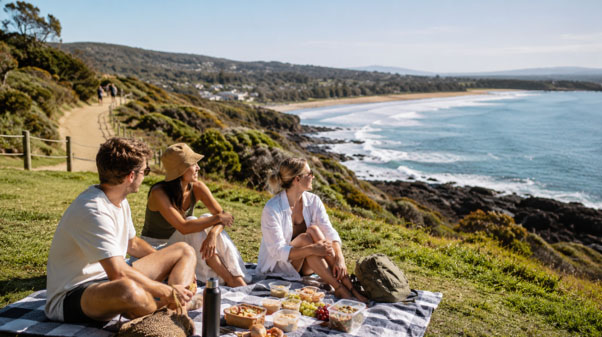
A picnic combines a meal, rest period and scenic activity into one low-cost experience.
Easy picnic foods include:
- Bread or rolls.
- Fruit.
- Cheese.
- Salads.
- Prepared sandwiches.
- Simple bakery items.
- Water and reusable drinks.
- Snacks that do not require cooking.
Public gardens, beaches, riverside areas and designated park spaces can provide a memorable setting without the price of a restaurant view.
Before choosing a location, check whether shade, toilets and rubbish bins are available. Local rules may restrict alcohol, barbecues or particular activities.
All food waste and packaging should be removed. Leaving food behind can create problems for wildlife and other visitors.
Quiet Evenings After a Busy Travel Day
Not every evening needs another booking, expensive meal or journey across the city. After a full day of sightseeing, staying at the accommodation may be more enjoyable than forcing another activity into the schedule.
A quiet evening could include:
- Sorting photographs from the day.
- Planning the next morning’s route.
- Reading or listening to a podcast.
- Watching downloaded films or programs.
- Playing cards or travel games.
- Ordering one affordable takeaway meal.
- Calling friends or family.
- Resting without a fixed schedule.
For visitors staying in Melbourne, Brighton Savoy’s article on quiet ways to unwind when you are back at the hotel provides relevant ideas for enjoying a slower evening after sightseeing.
Rest should not be treated as wasted travel time. Fatigue often leads to unnecessary taxi journeys, expensive convenience meals and activities that nobody fully enjoys.
Scheduling one quiet evening during a busy trip can improve both the following day and the overall entertainment budget.
Low-Cost Digital Entertainment Between Activities
Travel includes waiting periods. Domestic flights, long train journeys, wet afternoons and quiet hours at accommodation can leave travellers looking for simple entertainment.
Useful digital options include:
- Downloaded films and television programs.
- Podcasts and audiobooks.
- Ebooks.
- Offline puzzles.
- Mobile games.
- Digital library services.
- Saved travel photography or editing projects.
- Offline language-learning materials.
Downloading content through accommodation Wi-Fi can reduce mobile data use during longer journeys.
Some adults may also include paid gaming among their entertainment options. Travellers comparing $5 deposit casinos in Australia should examine the current deposit limits, payment methods, account verification requirements and minimum withdrawal conditions before spending money.
A low initial deposit does not guarantee that the activity will remain inexpensive. Repeated deposits can quickly turn a small transaction into a larger expense.
Paid digital entertainment should therefore follow three basic rules:
- Set the maximum amount before starting.
- Do not increase the limit after losing money.
- Treat the activity as entertainment rather than a way to recover travel costs.
Digital activities should remain a minor part of the trip rather than replacing the destination itself.
Practical Ways to Reduce Entertainment Spending
Saving money on entertainment depends more on preparation than on constantly searching for the cheapest available option.
Set a Daily Leisure Budget
Keep entertainment spending separate from accommodation, transport and essential food costs.
The daily leisure budget can cover:
- Attraction tickets.
- Snacks and drinks.
- Optional shopping.
- Paid digital entertainment.
- Equipment hire.
- Evening activities.
Once the amount has been used, switch to a free activity rather than taking money from essential travel expenses.
Compare Passes With Individual Tickets
Attraction passes can save money, but only when they cover places already included in the itinerary.
Before buying a pass, calculate:
| Question |
Why it matters |
| How many included attractions will actually be visited? |
Unused entries remove the saving |
| Are bookings still required? |
A pass may not guarantee availability |
| Is transport included? |
This can significantly change the total value |
| Do the attractions need to be visited within a short period? |
Tight schedules can make the trip exhausting |
| Are cheaper direct tickets available? |
Promotional prices may beat the pass |
| Are important activities excluded? |
The pass may not cover the traveller’s priorities |
A discounted product is not automatically good value.
Look for Off-Peak and Group Options
Weekday sessions, off-peak entry and family packages may reduce costs. Travellers should still read the conditions carefully.
Check whether:
- The discount applies only at specific times.
- Advance payment is required.
- The ticket can be changed or refunded.
- All group members qualify.
- Booking fees are added later.
- Transport costs cancel out the saving.
Use Digital Tools Before Leaving
Travel apps can help compare routes, save tickets, locate public facilities and find current events.
ATN’s guide to tech-savvy travel in Australia explains how digital tools can support travel planning and navigation.
Good preparation reduces the likelihood of missed bookings, duplicate purchases and expensive emergency transport.
Group Activities by Location
Crossing a large city several times in one day wastes both money and time.
A better plan is to combine activities located in the same district, such as:
- A free museum.
- A street art walk.
- A public garden.
- A local market.
- An affordable lunch.
- A scenic evening walk.
This creates a complete day without requiring repeated transport purchases.
Common Budget Travel Mistakes
Low-cost entertainment planning can fail when travellers focus only on advertised prices.
Common mistakes include:
- Ignoring transport and parking costs.
- Buying attraction passes without a realistic itinerary.
- Booking too many activities for one day.
- Treating every small purchase as insignificant.
- Paying for convenience because the group is tired.
- Relying on outdated event information.
- Forgetting equipment or sun protection.
- Making repeated digital purchases.
- Choosing activities only because they are discounted.
- Leaving no free time in the schedule.
The cheapest activity is not always the best choice. Value depends on how much time, enjoyment and convenience the experience provides.
FAQ
What are the cheapest outdoor activities in Australia?
Coastal walks, public beaches, urban parks, self-guided trails and scenic picnics are among the cheapest options. Travellers should still check transport, parking and location-specific fees.
Are there free cultural events for tourists in Australian cities?
Yes. Council websites, tourism calendars and local venue pages often list public exhibitions, concerts, markets and festivals. Dates and admission conditions should be confirmed before attending.
How can travellers find affordable food in Australia?
Food markets, bakeries, food courts, lunch specials and takeaway venues outside major tourist precincts may provide better value. The full cost should be checked before ordering.
What apps can help travellers save money?
Official transport apps, map services, city event calendars and attraction websites can help compare routes, locate free activities and avoid unnecessary bookings.
Are attraction passes always cheaper?
No. Passes only provide value when travellers use enough of the included attractions. Individual tickets may be cheaper for a shorter or more flexible itinerary.
Conclusion
Affordable travel in Australia does not require removing enjoyable experiences from the itinerary. It requires selecting activities carefully and making better use of the entertainment already available at little or no cost.
Beaches, walking trails, wildlife areas, museums, markets, community events, picnics and quiet evenings can create a varied trip without constant paid bookings.
The most balanced itinerary includes:
- Several free outdoor and cultural activities.
- A few inexpensive food or local experiences.
- One or two paid highlights that genuinely matter.
- Enough quiet time to prevent fatigue.
- Clear limits for optional and digital spending.
Travellers should confirm fees, opening hours and access conditions before leaving. They should also consider transport, equipment and additional purchases when calculating the real cost of an activity.
Australia offers enough scenery, culture and public space to reward people who slow down. Spend selectively, prepare properly and choose experiences because they improve the trip—not simply because they are available.
|