Open Water vs. Pool Swimming in Australia: What Every Adult Beginner Needs to Know
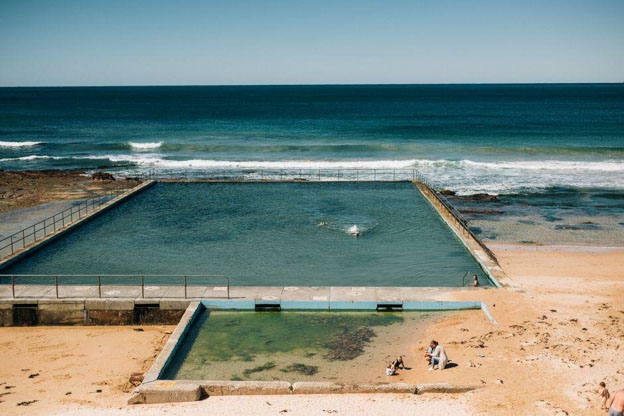
Australia is surrounded by water, making swimming an essential life skill rather than just a recreational activity. Whether you're planning beach holidays, looking to improve your fitness, or simply want to feel safer around water, learning to swim as an adult is one of the best investments you can make.
Many Australians who never learned to swim as children are now enrolling in beginner lessons. One of the first questions they ask is whether they should begin in a swimming pool or learn directly in open water. Both environments offer valuable experiences, but they serve different purposes and suit different skill levels.
This guide compares pool and open water swimming tutor to help adult beginners choose the right place to start.
Why More Australian Adults Are Learning to Swim
Australia's beaches, rivers, lakes, and public pools are a major part of everyday life. Unfortunately, drowning remains one of the leading causes of accidental death among Australian adults, particularly those who overestimate their swimming ability.
The good news is that adult swimming lessons have become increasingly popular. Instructors now offer programs designed specifically for adults, focusing on water confidence, breathing techniques, and practical safety skills rather than children's teaching methods.
Whether you're in your 30s, 50s, or even older, it's never too late to become a confident swimmer.
Why Pool Swimming Is the Best Place to Start
For complete beginners, swimming pools provide the safest and most comfortable learning environment.
Pools have calm water, clear visibility, and consistent temperatures. There are no waves, tides, or currents to worry about, allowing you to focus entirely on learning proper technique.
Most adult swimming lessons follow a gradual progression:
- Getting comfortable in the water
- Learning breathing control
- Floating and body positioning
- Treading water
- Basic freestyle and backstroke
- Building endurance
Because the conditions stay the same every lesson, instructors can carefully monitor your progress and correct mistakes immediately.
Many adults also find pools less intimidating because they can stand up whenever they feel uncomfortable. This reduces anxiety and helps build confidence much faster.
Pool swimming also offers excellent health benefits, including improved cardiovascular fitness, stronger muscles, increased flexibility, and lower stress levels.
What Makes Open Water Different?
Swimming in Australia's oceans, lakes, rivers, and harbours is a completely different experience.
Unlike pools, open water constantly changes. Weather conditions, waves, tides, currents, wind, and visibility all affect your swim. Even experienced pool swimmers often need time to adjust when entering the ocean for the first time.
Open water also requires greater awareness. You may encounter uneven surfaces, marine life, changing temperatures, and limited visibility.
Instead of simply swimming from one end of a pool to the other, you'll need to learn how to:
- Navigate using landmarks
- Swim through waves
- Stay calm in changing conditions
- Conserve energy
- Recognise potential hazards
These additional challenges make open water exciting but also demand stronger safety skills.
Pool vs. Open Water: Which Is Better?
The answer depends on your experience and goals.
If you've never learned to swim or feel nervous in water, begin with pool lessons. You'll gain confidence in a safe, controlled environment before facing unpredictable conditions outdoors.
If your goal is participating in ocean swims, triathlons, surfing, or spending more time at Australian beaches, you'll eventually need open water training. However, most instructors recommend mastering the basics in a pool first.
| Feature |
Pool |
Open Water |
| Conditions |
Calm and controlled |
Constantly changing |
| Best For |
Beginners |
Experienced swimmers |
| Focus |
Technique |
Adaptability |
| Safety |
High |
Depends on conditions |
| Learning Speed |
Faster |
More gradual |
Many swimmers combine both environments by developing strong fundamentals in the pool before transitioning to supervised open water sessions.
Choosing the Right Swimming Instructor
Finding the right instructor can make a huge difference in your progress.
Look for a qualified instructor with AUSTSWIM certification and experience teaching adult beginners. Adult learners often have different fears and learning styles than children, so patience and communication are essential.
If your long-term goal includes ocean swimming, ask whether your instructor also offers open water coaching and first aid qualifications.
Before booking lessons, ask questions such as:
- Are classes private or group-based?
- How many students are in each lesson?
- How is progress measured?
- What experience do you have teaching adults?
A supportive instructor should adapt lessons to your comfort level while encouraging gradual improvement.
Essential Skills Every Beginner Needs
Before worrying about swimming long distances, every beginner should master several basic skills.
Floating comfortably on your back helps conserve energy and remain calm in emergencies.
Treading water allows you to stay afloat without moving toward the shore immediately.
Proper breathing is equally important. Many beginners instinctively hold their breath underwater, which creates tension and causes fatigue. Learning to exhale underwater while inhaling smoothly improves both confidence and endurance.
After mastering these basics, most adults learn the four main swimming strokes.
Freestyle is the fastest and most efficient stroke for general swimming.
Backstroke provides a comfortable recovery option while allowing continuous breathing.
Breaststroke is popular with beginners because it keeps the head above water more often.
Butterfly is usually introduced much later because it requires greater strength and coordination.
Equipment You'll Need
One advantage of swimming is that it doesn't require much equipment.
For pool lessons, you'll need:
- A comfortable swimsuit
- Goggles
- Swim cap
- Towel
- Pool footwear
Open water swimmers usually require additional safety equipment.
A brightly coloured swim cap improves visibility for boats and lifeguards. Many swimmers also use a tow float, which provides extra flotation during emergencies while making them easier to spot.
Depending on the season, a wetsuit may also be recommended, especially in southern Australia where water temperatures can be much cooler.
Remember to wear reef-safe sunscreen and stay hydrated before and after outdoor swimming sessions.
Moving from Pool to Open Water
Transitioning into open water should happen gradually.
Most instructors recommend becoming comfortable swimming around 200 metres continuously in a pool before attempting open water sessions.
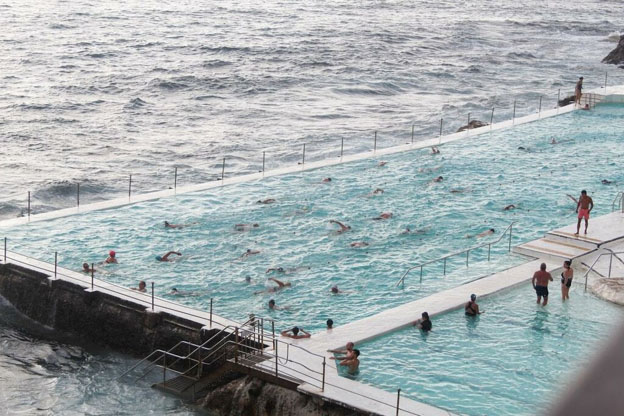
Start in calm locations such as ocean pools, sheltered bays, or protected harbours. These environments introduce natural water without exposing beginners to strong surf.
As your confidence grows, join supervised ocean swimming groups led by qualified instructors. These sessions teach practical skills like reading surf conditions, navigating with landmarks, and responding safely to unexpected situations.
Swimming with experienced groups also provides valuable support and improves safety.
Most importantly, never swim alone in open water.
Final Thoughts
For most adult beginners, swimming pools offer the safest and most effective place to learn. The calm environment allows you to build confidence, improve technique, and develop essential water safety skills without unnecessary distractions.
Once you've mastered the fundamentals, supervised open water sessions provide the experience needed to enjoy Australia's beaches, lakes, and oceans safely.
Learning to swim as an adult is never too late. With consistent practice, a qualified instructor, and gradual progression, you'll gain confidence, improve your fitness, and develop a lifelong skill that opens the door to countless outdoor activities.
Whether your goal is staying safe with your family, enjoying beach holidays, or preparing for endurance events, starting with the right environment will make your swimming journey more enjoyable and far more successful.
|
