
An Australian road trip asks a lot of a car. In two weeks it might see sea spray on the coast, red bulldust in the outback and thousands of insects on the highway at dusk. Most travellers plan fuel stops and rest breaks carefully. Far fewer plan for what the drive does to the paint.
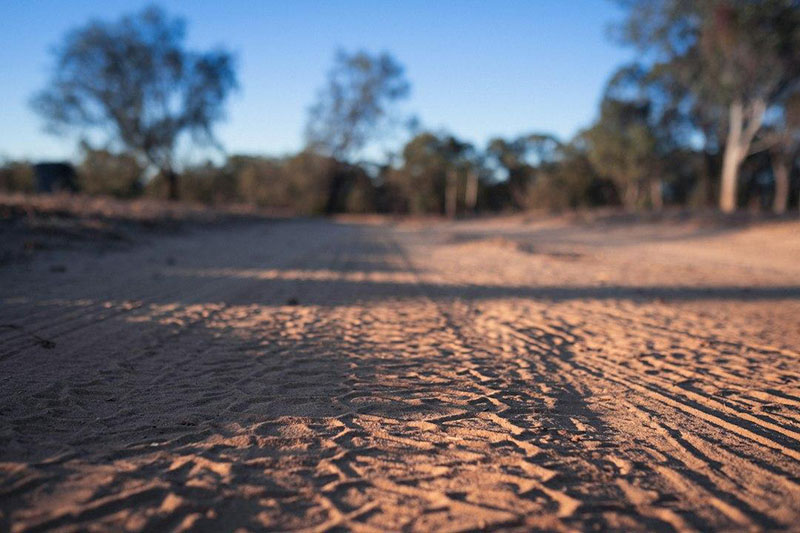
Photo by Chris Gresham-Britt on Unsplash
That gap costs money when you get home. A finish that left Sydney glossy can come back dull, pitted and stained. Before a big drive, the Sydney detailing specialists at Glosshaus can apply a ceramic coating or paint protection film that takes the brunt of the trip. The rest comes down to a few habits before, during and after the drive.
Distance is the first factor. Geoscience Australia measures the mainland coastline at 35,821 km, and the national coastline figures climb to 59,681 km once islands are counted. New South Wales alone has 1,973 km of mainland coast. A coastal route north or south of Sydney keeps salty air on the car for days at a time.
Salt holds moisture against metal and speeds corrosion around panel seams and chips. Inland, the problem changes. Fine red dust packs into door seals, air vents and carpet, and it scratches paint when wiped off dry.
Insects are the third enemy. Bug remains are acidic and bake onto the bonnet, bumper and mirrors in the heat. Leave them a few days and they can etch the clear coat.
Over all of this sits the Australian sun. Strong UV fades paint, dries out rubber seals and cracks dashboards in cars parked outdoors for long periods.
Mechanical checks come first. The ATN guide to preparing for a long road trip recommends at least three millimetres of tyre tread, plus checks on fluids, battery and air conditioning. Once those are done, turn to the body and cabin.
Hired cars need a lighter version of this list. You cannot coat a rental, but photos, seat covers and a sunshade still help when you return it.
Small, regular effort beats one big scrub at the end. Carry a basic kit in the boot so you can deal with problems early.
Clean bugs off at fuel stops while they are still soft. Soak them for a minute before wiping, rather than scrubbing them dry. On the coast, a quick rinse at a self-serve car wash every few days removes salt film.
Outback driving calls for a different approach. The Outback Way runs about 2,700 km from Laverton in Western Australia to Winton in Queensland, with long unsealed sections. On roads like this, keep windows up and set the air conditioning to recirculate to limit dust inside. Never wipe dry red dust from paint. Rinse it first, or wait until you reach a wash bay.
Parking matters too. Choose shade where you can, and use the sunshade every time you stop. Many travellers combine their drive with independent car tours through national parks, where the car may sit in full sun for hours.
Each part of the car faces a different threat. This table summarises the main risks and simple responses.
| Surface | Main threat | Simple response |
| Bonnet and bumper | Bugs and stone chips | Film or coating, wipe bugs daily |
| Paint on roof and boot | UV and salt film | Sealant or coating, rinse every few days |
| Door seals and sills | Red dust | Wipe with a damp cloth at night |
| Windscreen | Bug smears and pitting | Glass repellent, clean at stops |
| Dashboard and seats | Heat and UV | Sunshade, seat covers |
| Carpet and vents | Fine dust | Recirculate air, vacuum often |
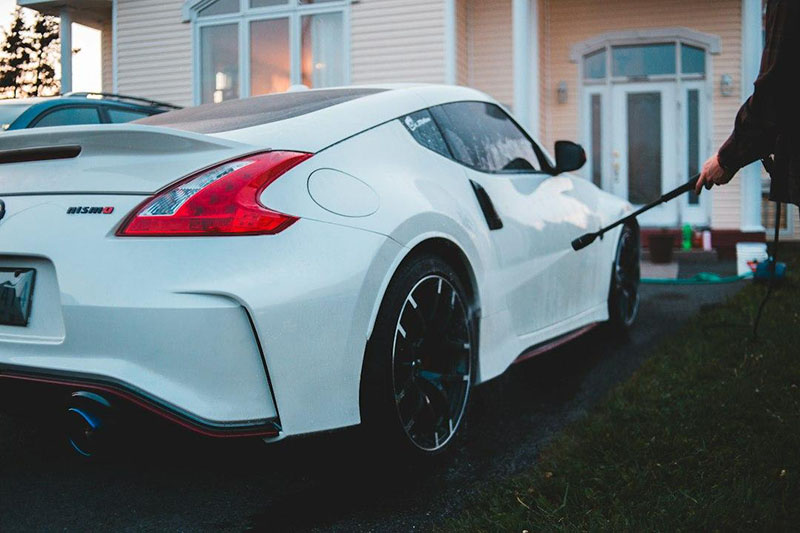
Photo by Erik Mclean on Unsplash
Book the clean-up soon after you return to Sydney. Dust and fallout left on paint for weeks become harder to remove. A thorough post-trip detail usually covers the following.
Glosshaus says it has detailed more than 2,000 cars over 10 years, and its team is XPEL certified for paint protection film. Ask any detailer to inspect the car with you first, so you agree on what needs correction.
A coating suits owners who plan to keep the car for years. It makes bug and dust removal much easier on the trip. For a single journey in an older car, a quality sealant may be enough.
Vacuum slowly with a brush attachment, working seams and vents first. A professional interior extraction reaches dust trapped deep in carpet and seat fabric.
Film absorbs most small stone strikes that would chip bare paint. It works best on the bonnet, bumper and mirrors, where most impacts land.
Aim for the first week back. Bug residue and salt keep working on the paint, so a quick wash on arrival helps if a full detail must wait.
A road trip should leave you with photos and stories, not a faded bonnet. Prepare the paint before leaving Sydney, keep up small cleaning habits along the way and book a proper detail once you are back. The car will be ready for the next drive.
This
website developed and maintained by Australian
Travel & Tourism Network Pty Limited for Australian Travel Service providers ©
last updated
16-Oct-2026
|